Network Video Recorders - Vivotek Protocols, 60TB, Centralized E-map
Network video recorders (NVRs) centralize IP surveillance—powering cameras via PoE, managing streams, and retaining evidence with reliable, scalable storage. Size your NVR by channel count and total throughput (Mbps), verify ONVIF compatibility, and weigh onboard PoE ports/power budget, H.265/H.264 support, AI analytics, HDMI/4K local display, and client/mobile apps. For resilience and uptime, consider multi-bay storage with RAID/hot-swap and redundant power; for mixed coax/IP environments, see hybrid recorders, and round things out with recording software and recording accessories.
Featured Network Video Recorder Manufacturers


Filter

- $15,860.37SKU: DW-BJER4U60T
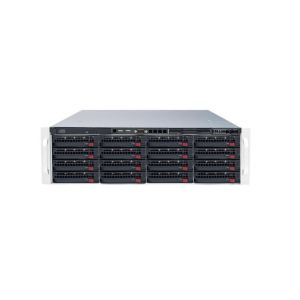
Digital Watchdog DW-BJER4U60T 128 Channel NVR 600Mbps 60TB HDD
- Cross-Platform: Windows and Linux
- Advanced Graphical System Health Monitoring
- Simple Enterprise Scalability
- Local Client Display
- Manually Add Cameras Using RTSP URL
$15,860.37Low Price Guarantee - was $13,815.45 Special Price $12,308.31SKU: DW-BJER3U60T
Digital Watchdog DW-BJER3U60T NVR 30FPS @ 1080p 60TB
- Graphic System Health Monitor
- True Enterprise Scalability
- Automatic Camera Detection
- Local Client Display
- Customizable Layouts
was $13,815.45 Special Price $12,308.31Low Price Guarantee

Network Video Recorder Frequently Asked Questions
What is a Network Video Recorder (NVR)?
A Network Video Recorder (NVR) is a device that records video footage from IP cameras over a network. Unlike traditional DVRs that use analog cameras, NVRs are specifically designed for digital video streams, allowing for higher resolution recordings and advanced features. They typically support multiple channels and can be accessed remotely, making them ideal for home security systems.
How do I choose the right NVR for my home?
When selecting an NVR, consider the number of camera channels you need, the resolution of the recordings, and the storage capacity. It's essential to ensure compatibility with your IP cameras, particularly if they use ONVIF protocols. Additionally, look for features like remote access, playback capabilities, and any smart analytics that may enhance security monitoring.
Can I connect different brands of IP cameras to my NVR?
Yes, many NVRs support multiple brands of IP cameras, especially those that comply with the ONVIF standard. This interoperability allows homeowners to mix and match cameras from different manufacturers, providing flexibility in their security system. However, it’s crucial to verify compatibility with your specific NVR model before making purchases.
What storage options are available for NVRs?
NVRs typically come with various storage options, including built-in hard drives and external storage capabilities. The storage capacity can range from a few terabytes to several, depending on the model. Consider how long you want to retain footage and the number of cameras in use, as these factors will influence the required storage size.
How do I set up an NVR at home?
Setting up an NVR involves connecting it to your network and attaching IP cameras. Most NVRs feature plug-and-play ports for easy camera installation. After connecting the devices, you will need to configure the NVR settings, including network parameters and recording schedules. Refer to the manufacturer’s warranty page for specific setup instructions related to your model.