Fire & Life Safety

- $23.83SKU: BT124
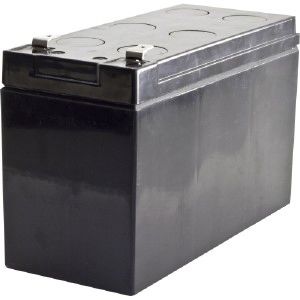
Altronix BT124 Battery, 12VDC, 4AH
- No memory effect
- Maximum life, dependability, reliability
$23.83Low Price Guarantee - $44.20$44.20Low Price Guarantee
- $58.50$58.50Low Price Guarantee
- $199.00SKU: B00024
Minuteman B00024 Individual Replacement Batteries
- Rechargeable Sealed Lead Acid
- Amp/Hr Rating 3.4Ah
$199.00Low Price Guarantee - $46.50$46.50Low Price Guarantee
- $73.20$73.20Low Price Guarantee
- $83.65$83.65Low Price Guarantee
- $92.40$92.40Low Price Guarantee
- $587.60SKU: CPEBP3000
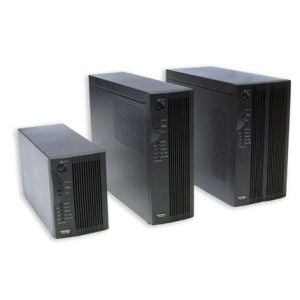
Minuteman CPEBP3000 Battery Pack
- Compact Tower Design to Meet Your Installation Needs
- Unity Input Power Factor for Maximum Efficiency
- Easy Maintenance and Swappable Battery
- Smart Battery Management
- Matching Battery Cabinets
$587.60Low Price Guarantee



Fire and Life Safety Frequently Asked Questions
What is fire and life safety equipment?
Fire and life safety equipment includes devices designed to detect, alert, and respond to fire hazards, ensuring the safety of occupants. This category encompasses smoke detectors, fire alarms, and emergency lighting systems, which work together to provide early warning and facilitate safe evacuation during emergencies.
How often should I replace the batteries in my smoke detectors?
It is recommended to replace the batteries in smoke detectors at least once a year or when the low battery alert sounds. Regular maintenance, including testing the detectors monthly and replacing them every 10 years, ensures they function effectively and provide reliable protection against fire hazards.
What are NAC power supplies?
NAC (Notification Appliance Circuit) power supplies are devices that provide power to notification appliances like alarms and horns in fire alarm systems. They ensure that these devices receive consistent power during an emergency, which is crucial for alerting occupants and facilitating a safe evacuation.
Do I need a fire alarm system in my home?
Yes, a fire alarm system is essential for any home to detect smoke and fire hazards early. Many local building codes require them, and they significantly increase the chances of safe evacuation during a fire, providing critical time to alert occupants and emergency services.
What is the difference between Class A and Class B NAC circuits?
Class A NAC circuits provide a looped connection, ensuring that if one segment fails, the remaining devices remain operational. Class B NAC circuits, on the other hand, have a single-ended connection, meaning if there's a break in the circuit, devices beyond that point will not function. Class A is generally preferred for enhanced reliability in fire alarm systems.
Filter
Shopping Options