Hewlett Packard Enterprise Network Equipment
Build a reliable, easy-to-manage IP surveillance system with the right network pieces from one place. Start with your cameras (IP cameras) and recording (NVR recorders), then connect everything with network switches (PoE simplifies power and cabling). Extend or adapt runs using network devices like PoE injectors, splitters, and long-distance extenders. No Ethernet nearby? Powerline networking can bridge from a wall outlet. For Wi-Fi add-ons, see network routers. Finally, manage live view, playback, alerts, and user access with video management software—most options offer mobile apps and simple setup for homeowners.
Featured Networking Equipment Manufacturers


Filter

- $10,396.00SKU: JG726A
HPE JG726A FlexFabric 5930 32QSFP+ Switch
- VXLAN VTEP support for virtualized environments
- OpenFlow support for investment protection and SDN environments
- High-density 40GbE for spine-and - leaf deployments
- Unified management of virtual and physical network with VEPA and IMC
- Data center convergence and resiliency with DCB, FC/FCoE, IRF, and TRILL
$10,396.00Low Price Guarantee - $6,804.50SKU: J9993A
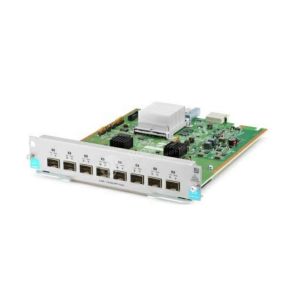
HPE J9993A Aruba 8 Port 1G/10GbE SFP+ MACsec v3 zl2 Module
- 8-port 1G/10GbE SFP+ MACsec v3 zl2 module HPE J9993A is used with the 5400R zl2 Switch Series
$6,804.50Low Price Guarantee - $1,123.22SKU: JG932A#ABA
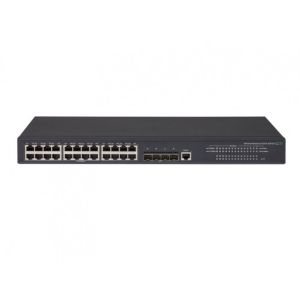
HPE JG932A#ABA FlexNetwork 5130 24G 4SFP+ EI Switch
- 24 RJ-45 autosensing 10/100/1000 ports
- 4 SFP+ ports
- Min=0 \ max=4 SFP+ Transceivers
- Power supply included
- 1U - Height
$1,123.22Low Price Guarantee

Network Frequently Asked Questions
What is a network surveillance camera?
A network surveillance camera is a digital video camera that transmits data over a network, allowing for remote viewing and recording. These cameras connect to a local area network (LAN) or the internet, enabling users to monitor their property from anywhere. They typically offer higher resolutions, advanced features like motion detection, and can integrate with various security systems.
How does a network camera differ from an analog camera?
Network cameras use digital signals to transmit video over a network, while analog cameras send video signals through coaxial cables. This difference allows network cameras to provide higher image quality, more flexibility in installation, and the ability to be accessed remotely. Additionally, network cameras often support advanced features such as analytics and cloud storage.
What are the benefits of using PoE (Power over Ethernet) for surveillance cameras?
PoE allows network cameras to receive power and data through a single Ethernet cable, simplifying installation and reducing clutter. This technology eliminates the need for separate power sources, making it easier to place cameras in various locations. PoE also enhances reliability and can be more cost-effective, especially in larger installations.
Can I access my network surveillance cameras remotely?
Yes, most network surveillance cameras come with remote access capabilities. This allows homeowners to view live feeds and recorded footage from their smartphones, tablets, or computers via an internet connection. Remote access often requires setting up an account with the camera manufacturer or using a specific app designed for the camera system.
What should I consider when choosing a network surveillance camera?
When selecting a network surveillance camera, consider factors such as resolution, field of view, night vision capabilities, and whether it supports PoE. Additionally, evaluate the camera's compatibility with existing security systems, storage options (cloud vs. local), and any advanced features like motion detection or two-way audio.
Filter
Now Shopping by
Shopping Options